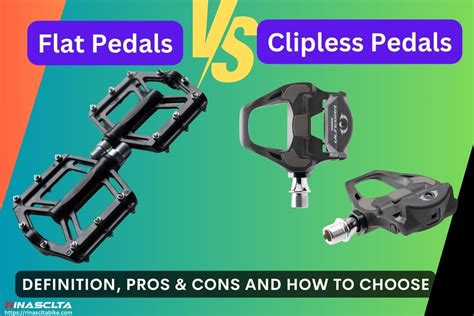
bikesport.biz.id – So, you’ve decided to dive into the awesome world of cycling! That’s fantastic. As you get your gear together, one question that often pops up is about pedals: Should you go with clipless pedals or stick to good old flat pedals? It’s a common dilemma for new cyclists, and honestly, there’s no single “right” answer. It really depends on what kind of riding you’ll be doing and what feels best for you. Let’s break down what each type is all about.
What Are Flat Pedals?
Think of flat pedals as the ones you probably grew up with on your first bike. They’re completely open platforms with a grippy surface, usually some pins or a textured design, where you just place your regular athletic shoes. There’s no special mechanism to lock your foot in place. You can easily lift your foot on and off them whenever you want. They’re super straightforward and require zero learning curve. You just hop on and go!
The biggest advantage here is simplicity and freedom. If you need to put a foot down quickly, like at a stop sign or to avoid an obstacle, it’s instantaneous. There’s no fumbling with a release mechanism. Plus, you can wear any comfortable shoes you like, so there’s no need for special cycling footwear. This makes them incredibly versatile for casual rides, commuting, or even mountain biking where quick dismounts can be crucial.
What Are Clipless Pedals?
Now, “clipless” might sound a bit contradictory, right? It actually refers to the fact that they’re *not* the old-school toe clips and straps. Instead, clipless pedals use a cleat system. You attach a small metal or plastic cleat to the sole of your special cycling shoe, and this cleat then clicks into a corresponding mechanism on the pedal. It’s like your shoe becomes one with the pedal.
This system allows you to pull up on the pedals as well as push down. Many cyclists find this leads to a more efficient pedal stroke, as you’re engaging more muscles throughout the entire rotation. It can feel like you’re getting more power out of every single turn of the pedals. Plus, once you’re clipped in, your foot is held in a stable position, which can improve comfort on longer rides and provide better control, especially on rough terrain.
The Pros of Flat Pedals for Newbies
For anyone just starting out, flat pedals offer a really low barrier to entry. You don’t need to buy new shoes, and you don’t have to worry about learning how to unclip. This can be a huge confidence booster when you’re still getting used to balancing and handling your bike. If you’re planning on doing a lot of stop-and-go riding, like in urban environments or on trails with lots of short, steep climbs, the ability to quickly dismount is a massive benefit.
Imagine you’re approaching a busy intersection, or you see a patch of loose gravel ahead. With flats, you can effortlessly put a foot down to steady yourself or stop on a dime. This immediate access to stability can prevent a lot of potential spills and make you feel more secure. It’s all about having that instant connection to the ground when you need it.
The Cons of Flat Pedals
While flats are great for beginners, they do have some drawbacks as you progress. Since your foot isn’t locked in, there’s a chance of your foot bouncing off the pedal, especially if you hit a bump or are riding aggressively. This can lead to a loss of power and, in some cases, a less controlled feeling. You also can’t actively pull up on the pedal, which means you’re not using your leg muscles as efficiently as you could be.
Think about it: on a flat pedal, you’re really only applying force when you push down. With clipless, you can recruit those hamstring muscles to help pull the pedal up through the bottom of the stroke. This can make a noticeable difference in how quickly you can pedal and how much energy you conserve on longer rides. It’s like having a smoother, more continuous power delivery.
The Pros of Clipless Pedals
The main draw of clipless pedals is that increased efficiency and stability once you’re used to them. The ability to pull up on the pedals means you’re getting more power on both the downstroke and the upstroke, leading to a smoother, more powerful pedal stroke. This can be a game-changer for longer rides, climbs, and faster paces. You feel more connected to the bike, like an extension of it.
When you’re clipped in, your foot is held securely in place, which can lead to better power transfer and reduced foot fatigue. It also means your feet are less likely to slip off the pedals, giving you more confidence on rough terrain or when accelerating hard. Many cyclists find that clipless pedals simply make riding feel more fluid and powerful once they’ve mastered the clipping in and out process.
The Cons of Clipless Pedals
The biggest hurdle for new riders with clipless pedals is the learning curve. You *have* to learn how to clip in and, more importantly, how to clip out smoothly and quickly. There’s definitely a period where you might feel a bit awkward or even tip over (yes, it happens to everyone at some point!). This fear of not being able to unclip in time can be a big deterrent for beginners.
You also need to invest in specific cycling shoes with cleats, which adds to the overall cost. And if you’re riding casually and want to pop into a coffee shop, you’ll either need to carry separate shoes or walk around in your stiff-soled cycling shoes, which isn’t always ideal. It’s an extra step and an extra expense that might not be necessary for every type of cycling.
Types of Clipless Systems
It’s worth noting that not all clipless pedals are the same. The two most common systems for road and mountain biking are SPD (Shimano Pedaling Dynamics) and SPD-SL (also Shimano, but for road). SPDs are generally smaller, recessed into the shoe (making walking easier), and offer a bit more float (movement) for your foot. They’re popular for mountain biking, gravel riding, and commuting.
SPD-SL is a larger pedal with a wider platform and is designed for road cycling. These systems offer a more rigid connection for maximum power transfer and typically have less float. The cleats are usually more exposed, making walking a bit trickier. Choosing between them depends heavily on your intended riding style.
Which Pedal is Right for You?
So, the million-dollar question: what’s best for a new cyclist? If you’re just getting into cycling for casual rides, commuting, or exploring trails where you might be stopping and starting a lot, flat pedals are almost always the way to go. They’re forgiving, easy to use, and let you focus on learning the basics of riding without worrying about your feet. Plus, you can use any shoes you already own!
However, if you’re planning on getting serious about road cycling, longer-distance riding, or performance-oriented mountain biking, you might want to consider the transition to clipless pedals sooner rather than later. Many seasoned cyclists find the benefits of efficiency and stability outweigh the initial learning curve. It’s a personal journey, and what works for one person might not be ideal for another. Don’t be afraid to try both if you have the chance!
Making the Switch (If You Choose To!)
If you decide to go the clipless route, be patient with yourself. Start by practicing clipping in and out in a safe, open space. Get used to the feel of it before heading out on a challenging ride. Many clipless systems allow you to adjust the tension of the clip, so you can set it to be easier to release when you’re learning. And remember, everyone falls at some point – it’s a rite of passage!
Don’t feel pressured to make the switch immediately. Enjoy your cycling journey on whatever setup makes you feel most comfortable and confident. The beauty of cycling is that there are so many different ways to enjoy it. Whether you’re clipped in or cruising on flats, the most important thing is that you’re out there having fun and getting some great exercise. Happy riding!
Frequently Asked Questions (FAQ)
Are flat pedals good for beginners?
Yes, absolutely! Flat pedals are often recommended for beginners because they are easy to use, allow for quick foot placement and removal, and don’t require special shoes. This makes learning to ride and handle the bike much less intimidating.
Do I need special shoes for clipless pedals?
Yes, you do. Clipless pedals require special cycling shoes that have a cleat attachment point on the sole. This cleat then locks into the pedal mechanism, securing your foot.
What is the main advantage of clipless pedals?
The main advantage of clipless pedals is increased pedaling efficiency. They allow you to pull up on the pedals as well as push down, engaging more muscles and potentially leading to a smoother, more powerful stroke. They also offer a more stable connection to the bike.
Can I use my regular sneakers with clipless pedals?
No, you cannot. Regular sneakers are not designed to work with the cleat system of clipless pedals. You need specific cycling shoes with compatible cleats.
Is it difficult to learn how to use clipless pedals?
There is a learning curve involved. You’ll need to practice clipping in and, more importantly, clipping out quickly and smoothly. It’s common for beginners to fall over when learning, but with practice, it becomes second nature.
Which type of pedal is better for mountain biking?
Both flat and clipless pedals are used in mountain biking, but it often depends on the rider’s preference and the type of riding. Many mountain bikers prefer clipless pedals (like SPD systems) for better control and efficiency on technical terrain, while others prefer flats for the ease of quick dismounts and foot placement on aggressive downhill or freeride sections.
When should a new cyclist consider switching to clipless pedals?
A new cyclist might consider switching to clipless pedals when they feel comfortable with the basics of riding and handling their bike, and when they are looking to improve their pedaling efficiency for longer rides, faster speeds, or climbing. It’s not a necessary switch for everyone, especially for casual riders.