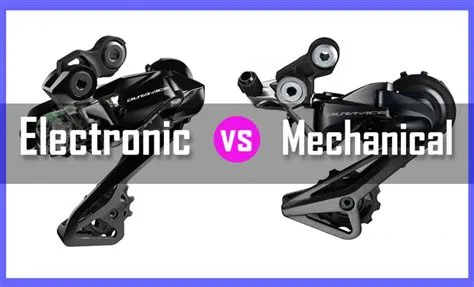
bikesport.biz.id – Hey there, fellow cyclists! If you’re into endurance cycling, you’ve probably thought a lot about your gear. One of the big questions that always pops up is about shifting: should you go with electronic or mechanical? It’s a juicy topic, and honestly, there’s no single right answer because what works best really depends on you and your riding style.
We’re going to break down the nitty-gritty of both electronic and mechanical shifting systems. We’ll explore how they work, their pros and cons, and ultimately help you figure out which one might be your perfect riding buddy for those long, epic rides.
Understanding the Basics: How Shifting Works
At its core, a bike’s gearing system is all about making pedaling easier or harder. It lets you tackle climbs without feeling like you’re pushing a truck uphill and allows you to speed along on flats. Mechanical systems use cables to pull derailleurs, which move the chain between different sprockets on your cassette and chainrings.
Electronic systems, on the other hand, use a battery-powered unit to send electrical signals to motors that move the derailleurs. It’s like giving your bike a brain that can execute shifts with lightning speed and precision, all at the press of a button. This fundamental difference leads to a whole host of performance and user experience variations.
Mechanical Shifting: The Tried and True
Mechanical shifting has been around forever, and for good reason. It’s generally simpler, often more affordable, and can be repaired with basic tools in most places. When you push a shifter lever on a mechanical system, you’re physically pulling a cable. This cable connects to your front or rear derailleur, telling it to move the chain from one gear to another.
The beauty of mechanical is its straightforwardness. You can usually feel exactly where you are in the shifting process, and if something goes wrong, it’s often a simple fix. Plus, the cost of entry is significantly lower, making it an accessible option for many riders.
Pros of Mechanical Shifting
One of the biggest perks is the cost. Mechanical groupsets are typically much cheaper to buy and maintain than their electronic counterparts. You don’t have to worry about charging batteries or replacing complex electronic components. Repairability is another huge plus; if a cable snaps or a derailleur gets a bit bent, you can usually sort it out roadside with a multi-tool.
Another advantage is the tactile feedback. Many riders appreciate the distinct click and feel of mechanical shifting, which gives them a direct sense of what the bike is doing. It’s a very direct connection between your input and the bike’s response, which some people really connect with. Also, they’re generally more robust against accidental impacts, like a tip-over on a trail.
Cons of Mechanical Shifting
The main downside is that it’s not as precise or as fast as electronic shifting. Shifting under heavy load, like when you’re mashing up a steep climb, can be clunky and may even cause you to drop your chain. You also have to contend with cable stretch and friction over time, which means you’ll need to make adjustments periodically to keep things running smoothly. Over long distances, this can become a bit of a nuisance.
Furthermore, achieving perfectly synchronized shifts, especially with front derailleur shifts, can be trickier. You might find yourself trimming your front derailleur cage to avoid chain rub, which is an extra step. The effort required to push the levers can also add up over a long endurance ride.
Electronic Shifting: The Modern Marvel
Electronic shifting systems, like Shimano’s Di2 or SRAM’s AXS, are a game-changer for many cyclists. Instead of cables, they use wires to connect the shifters to the derailleurs. When you press a button, an electronic signal tells a small motor in the derailleur exactly where to move. It’s incredibly smooth and fast.
Think about it: instead of a lever, you have small buttons. Pressing a button sends a signal that moves the derailleur precisely. It’s a much more refined and often effortless experience, especially when you’re fatigued on a long ride.
Pros of Electronic Shifting
The biggest advantage is the sheer speed and precision. Shifts are almost instantaneous and happen with incredible accuracy, even under heavy pedaling load. This means you can shift smoothly right when you need to, without worrying about grinding gears or dropped chains. They also offer customizable shift buttons, letting you set them up just the way you like them for optimal ergonomics.
Electronic systems are also incredibly consistent. They don’t suffer from cable stretch or friction, so once set up, they stay perfectly tuned for a very long time. Many systems offer synchronized shifting, where the front and rear derailleurs work together automatically for the best chainline and efficiency. This is a huge benefit for endurance riders who want to focus on their effort, not on fiddling with their gears.
Cons of Electronic Shifting
Let’s be real, the price tag is usually the first hurdle. Electronic groupsets are significantly more expensive upfront than their mechanical counterparts. You also need to remember to charge the batteries regularly, although modern systems have excellent battery life, often lasting for months on a single charge.
Repairing electronic systems can be more complex and often requires specialized tools or knowledge. While they are generally very reliable, if a major electronic component fails, it can be a costly fix. For riders who are very far from bike shops or prefer a totally self-sufficient approach, this could be a concern.
Electronic vs. Mechanical for Endurance Cycling
Now, let’s talk about endurance cycling specifically. These are the rides where you’re out for hours, covering long distances, and facing varied terrain. Fatigue is a major factor, and efficiency is key. This is where the debate between electronic and mechanical really heats up.
For endurance, the seamless, precise shifts of electronic systems can be a huge advantage. When you’re tired, fumbling with a mechanical shifter can be difficult, and a missed shift can be frustrating. Electronic systems allow you to change gears with a light touch, keeping your focus on maintaining your pace and enjoying the ride. The consistency also means you’re less likely to experience mechanical issues or the need for adjustments mid-ride.
The Ergonomics Factor
Think about how much you shift during a long ride. It’s a lot! Electronic shifters often have smaller, more ergonomic buttons that can be easier to operate, especially with tired hands or while wearing thick gloves in cooler weather. The reduced effort required for each shift can make a noticeable difference over many hours in the saddle.
Some electronic systems even allow for customizable button mapping. This means you can set up your shifters so that the most frequently used gears are easier to reach, or you can assign functions like dropping to a lower gear to a specific button that feels most natural to you. This level of customization can really enhance comfort and efficiency on a long haul.
Weight and Maintenance Considerations
While electronic systems are generally a bit heavier than mechanical ones due to the battery and motors, the difference is often negligible for most endurance riders. The performance benefits usually outweigh the minor weight penalty. Maintenance-wise, electronic systems require far less frequent tweaking. You won’t be constantly adjusting cable tension or dealing with grit gumming up the works.
Mechanical systems, while simpler, do require more regular maintenance. Cables can stretch, housing can get dirty, and derailleurs need to be kept clean and properly adjusted. For a long-distance event, peace of mind knowing your shifting will work flawlessly without intervention is a huge plus for electronic systems.
Who Should Choose Which?
If you’re on a tighter budget, love tinkering with your bike, and appreciate the tactile feel of mechanical shifting, then a high-quality mechanical groupset is an excellent choice for endurance cycling. Brands like Shimano and SRAM offer fantastic mechanical options that are reliable and perform very well.
However, if you’re looking for the ultimate in performance, precision, and ease of use, and your budget allows, electronic shifting is hard to beat for endurance cycling. The consistent, effortless shifts can significantly reduce fatigue and improve your overall riding experience, allowing you to push your limits and enjoy those long days in the saddle even more.
Making Your Decision
Ultimately, the best way to decide is to try both if you can. See if you can test ride bikes equipped with different shifting systems. Pay attention to how the shifters feel in your hands, how quickly and smoothly the gears change, and how much effort is required.
Consider your riding goals, your budget, and your personal preferences. Both electronic and mechanical shifting have evolved significantly, and both can offer a fantastic experience. The ‘better’ system is the one that makes you happiest and most confident on your endurance adventures.
Frequently Asked Questions (FAQ)
What does ‘Electronic’ mean in cycling components?
In cycling, ‘electronic’ shifting refers to systems where a battery-powered unit controls the movement of the derailleurs, typically via buttons and wires, rather than using mechanical cables. This allows for precise and rapid gear changes at the press of a button.
Are electronic shifters more reliable than mechanical ones?
Generally, yes, electronic shifters are considered more reliable for consistent performance over time. They don’t suffer from cable stretch or friction, which are common issues with mechanical systems. However, mechanical systems can often be easier to field-repair.
How often do I need to charge electronic shifting batteries?
Battery life varies by system and usage, but most modern electronic shifting systems can last for thousands of miles, often months, on a single charge. It’s a good practice to check the battery indicator regularly and charge before long rides.
Is electronic shifting worth the extra cost for endurance cycling?
For many endurance cyclists, the benefits of effortless, precise shifting, especially when fatigued, can make electronic shifting worth the investment. It can lead to less stress on the rider and a more enjoyable experience over long distances.
Can I mix and match electronic and mechanical components?
While it’s generally not recommended to mix and match major electronic and mechanical drivetrain components (like shifters from one system with derailleurs from another), it’s usually possible to use mechanical components from one brand with others, though full groupsets from a single manufacturer are always best for compatibility and performance.