bikesport.biz.id – Hey there, fellow cyclist! So, you’re just getting into the amazing world of cycling, maybe planning a trip to Bend, Oregon, and thinking about all the awesome outdoor activities, craft breweries, and vibrant arts scene you’ll explore. That’s fantastic! As you gear up, one of the most common questions you’ll encounter is about your bike tires: Tubeless vs. Clincher. It sounds a bit technical, but don’t worry, we’re going to break it all down in a super simple way.
Choosing the right tires can make a huge difference in your ride quality, comfort, and how often you might get a flat. For beginners, this decision can feel a little overwhelming with all the jargon out there. We’ll help you understand what each type is, their pros and cons, and which one might be the best fit for you as you start your cycling adventures.
What Exactly Are Clincher Tires?
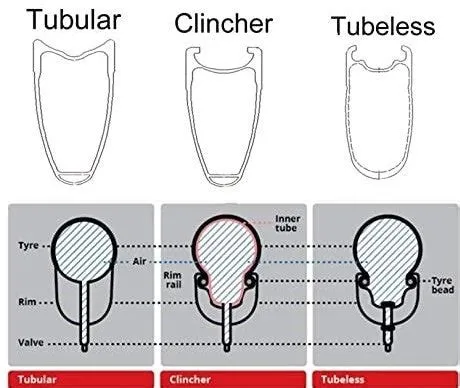
Let’s start with the most common type you’ve probably seen on bikes everywhere: clincher tires. These are the traditional tires that most people are familiar with. They consist of a tire and a separate inner tube that sits inside the tire.
The inner tube is what holds the air, and it’s sealed against the rim of your wheel. The tire itself has a bead that hooks onto the rim, keeping it in place. When you get a flat with a clincher tire, it’s usually because the inner tube has a puncture, and you’ll need to replace or patch it.
The Upsides of Clinchers
One of the biggest advantages of clincher tires, especially for beginners, is their affordability. They are generally less expensive to purchase than their tubeless counterparts. Plus, they’re super easy to find pretty much anywhere that sells bike parts.
Changing a clincher tire and tube is also a pretty straightforward process. Most cyclists learn how to do this fairly quickly, making roadside repairs much less of a headache. You can usually patch up a punctured tube with a patch kit, which is also very budget-friendly.
The Downsides of Clinchers
However, clinchers do have a couple of drawbacks. The most significant one is their susceptibility to pinch flats. This happens when your inner tube gets pinched between the rim and an obstacle, like a rock or pothole, causing it to tear.
Because they rely on an inner tube, clinchers are generally more prone to flats than tubeless setups. You’re also more likely to feel road vibrations because the inner tube can’t always absorb them as effectively as a tubeless setup can.
Now, Let’s Talk Tubeless Tires
Tubeless tires, on the other hand, are a bit more of a modern innovation in the cycling world. The name says it all: these tires don’t use an inner tube at all! Instead, the tire is designed to create an airtight seal directly with the rim of your wheel.
To make this seal happen, you’ll typically use a special rim tape to seal the spoke holes, and then the tire bead is designed to seat firmly onto the rim. Many tubeless systems also incorporate a liquid sealant inside the tire, which helps to automatically seal small punctures.
Why Tubeless Rocks (Especially for Some Riders)
One of the most celebrated benefits of tubeless tires is their superior puncture resistance. That liquid sealant we mentioned? It’s like magic for tiny holes! If you hit a thorn or a small piece of glass, the sealant often oozes out, seals the hole, and you can keep riding without even noticing.
You can also run tubeless tires at lower pressures than clinchers. This is a game-changer for comfort and traction, especially on rougher surfaces. Lower tire pressure allows the tire to conform better to the terrain, giving you a smoother ride and more grip, which is super helpful if you’re exploring trails or less-than-perfect roads.
The Not-So-Sunny Side of Tubeless
Tubeless setups can be a bit trickier to set up initially. Getting the tire to seat properly on the rim and creating that airtight seal sometimes requires a bit of patience and maybe a specialized pump or compressor. It’s not usually a quick fix if you’re not familiar with it.
The initial cost can also be higher. You’ll need tubeless-compatible rims, tubeless-specific tires, rim tape, valves, and sealant. While the long-term benefits can outweigh this, it’s definitely an investment upfront compared to a simple clincher setup.
Tubeless vs. Clincher: Which is Right for You?
So, the big question: which one should a beginner choose? Honestly, it really depends on your riding style and what you prioritize. If you’re on a tight budget and just starting out, clinchers are a perfectly fine and practical choice.
They’re reliable, easy to maintain, and won’t break the bank. You can absolutely enjoy countless miles of cycling without any issues. Just be mindful of those pinch flats and carry a spare tube and patch kit, just in case.
Considering Your Riding Adventures
Now, if you’re planning on tackling some rougher terrain, hitting gravel roads, or just really want to minimize the chances of getting flats during your rides, then tubeless might be worth considering. Think about those scenic rides around Bend, Oregon – sometimes the roads or trails can be a bit unpredictable!
The added comfort and traction from lower tire pressures can make a big difference on longer rides or when you’re exploring new paths. Plus, the self-sealing aspect can give you great peace of mind when you’re out exploring.
Making the Switch or Sticking with What Works
If you have a newer bike, it might already be tubeless-ready, which makes transitioning easier. If not, you might need to upgrade your rims or wheels, which adds to the cost. It’s worth talking to your local bike shop about your options.
Ultimately, both tubeless and clincher tires are excellent options for beginners. Don’t let the choice paralyze you! What’s most important is getting out there and enjoying your bike. As you gain more experience, you’ll develop your own preferences, and you can always switch things up later on.
Final Thoughts for Your Cycling Journey
Whether you choose tubeless or clincher, proper tire pressure is key for a safe and enjoyable ride. Always check your tire pressure before you head out, especially if you’re embarking on an adventure like exploring the beauty of Central Oregon. Happy cycling, and enjoy every mile!
FAQ Section
Can I convert my current clincher wheels to tubeless?
Yes, often you can! Many clincher rims are actually “tubeless-ready.” This means they have a special rim bed profile that can create a good seal. You’ll need to use tubeless rim tape, tubeless valves, and compatible tubeless tires, plus sealant. It’s a good idea to consult with a bike shop to ensure your rims are compatible and to get help with the conversion if you’re unsure.
Are tubeless tires really that much better for preventing flats?
For small punctures from things like thorns or small glass shards, yes, tubeless tires with sealant are significantly better at preventing flats. The sealant can instantly seal these types of punctures. However, for larger cuts or blowouts, neither system is entirely immune to failure. You might still get a flat with a tubeless setup, but it’s generally less frequent for common road debris.
Is it difficult to fix a tubeless flat if the sealant doesn’t work?
It can be a bit more involved than fixing a clincher. If the sealant can’t fix the puncture, you might need to insert a “plug” into the hole, which requires a special tool. In some cases, you might need to carry a spare inner tube to install temporarily, effectively converting your tubeless setup back to a clincher system until you can get a proper repair.
Which type of tire is lighter?
Generally, a tubeless setup can be slightly lighter than a clincher setup with a comparable tire and tube. This is because you’re eliminating the weight of the inner tube and the rim strip. However, the difference might not be huge, and the sealant adds some weight back in.
Do tubeless tires require more maintenance?
Tubeless systems do require a bit more initial setup and occasional maintenance. The sealant inside the tire will dry out over time (typically every 3-6 months, depending on climate and conditions) and will need to be topped up or replaced. You’ll also need to ensure the seal between the tire and rim remains good.
Can I use regular clincher tires on tubeless rims?
No, you cannot use regular clincher tires on tubeless-ready rims without an inner tube. While the rims might be tubeless-ready, the tires themselves need to be specifically designed as tubeless (or “tubeless-ready”) to create the necessary airtight seal directly with the rim. Using a standard clincher tire without a tube on a tubeless rim will not hold air.
What tire pressure should I use?
This is a crucial question for both types! For clinchers, you typically need higher pressures to prevent pinch flats and ensure the tire stays on the rim. For tubeless, you can safely run lower pressures. The ideal pressure depends on your weight, the tire width, the terrain, and whether you’re running tubeless or clincher. Always check the recommended pressure range on the sidewall of your tire and consult online resources or your local bike shop for guidance.