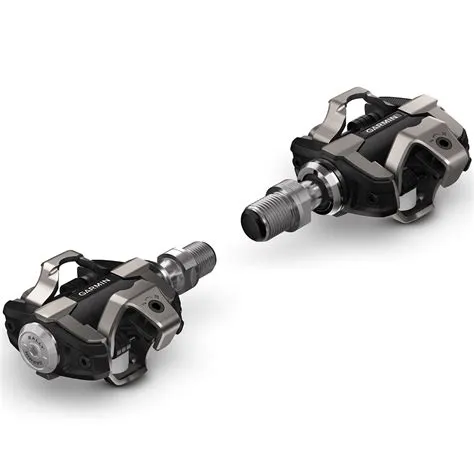
bikesport.biz.id – Hey there, fellow cyclists! Ever wondered if you’re really pushing your limits on every ride, or if your training is as effective as it could be? That’s where power meter pedals come in, and they’re a total game-changer for understanding your performance. But let’s be honest, some of the top-tier options can cost an arm and a leg, right? Well, guess what? You don’t need to break the bank to get your hands on this awesome tech.
Today, we’re diving deep into the world of best budget power meter pedals for road bikes. We’ll explore why they’re so important, what to look for when you’re shopping, and highlight some fantastic options that give you a serious bang for your buck. So, buckle up (or, you know, clip in!) because we’re about to make your cycling dreams a whole lot more affordable and a lot more data-driven.
Why Bother with Power Meter Pedals Anyway?
Okay, so you’re probably thinking, “Why do I need to measure my power? Isn’t just riding hard enough?” Great question! Think of it this way: your heart rate can be affected by so many things – sleep, stress, hydration, even the weather. But your power output? That’s a direct measure of how hard your legs are working. It’s your pure, unadulterated effort.
Knowing your power allows for incredibly precise training. You can train in specific zones, ensure you’re hitting your targets in intervals, and understand your fatigue levels much better. It’s like going from guessing your speed to having a speedometer that tells you exactly how fast you’re going. Seriously, it can help you get faster, stronger, and more efficient with every pedal stroke.
Understanding the Core Metrics
When you get power meter pedals, you’ll see a few key numbers pop up on your bike computer. The most important one is usually your total power output, measured in watts. This is the raw number telling you how much work you’re doing right now.
Then there’s normalized power (NP), which is a smarter way to look at your average effort over a ride, especially if it’s got varied terrain or efforts. It accounts for the physiological cost of your ride, giving you a better idea of your sustainable effort. You might also see intensity factor (IF) and training stress score (TSS), which help quantify the overall stress of your workout.
What Makes a “Budget” Power Meter Pedal Great?
So, what are we looking for in a wallet-friendly power meter pedal? We want accuracy, of course, because what’s the point if the numbers are off? We also need reliability – these things need to survive all sorts of weather and road conditions without skipping a beat.
Durability is another big one. Your pedals are taking a beating out there, so they need to be built tough. And importantly for this budget category, we’re looking for ease of installation and battery life that doesn’t require constant fiddling. Plus, seamless connectivity with your existing bike computer (like ANT+ or Bluetooth) is a must-have.
Accuracy is King (Even on a Budget)
When we talk about budget, we don’t mean compromising on accuracy. The best budget power meter pedals will still offer a high degree of precision, often within 1-2% of the actual power output. This is crucial for making meaningful training decisions.
Many of these pedals use strain gauges embedded within the pedal spindle or body to measure the forces applied. They then translate this into power data, which is sent wirelessly to your head unit. It’s pretty neat engineering!
Battery Life and Connectivity
Nobody wants to be constantly swapping out coin cell batteries or worrying about their power meter dying mid-ride. Good budget options will offer decent battery life, often lasting for dozens or even hundreds of hours on a single charge or battery. Some might even be rechargeable, which is super convenient.
And connectivity? It’s got to be simple. ANT+ is the standard for most cycling computers, and Bluetooth is becoming increasingly common, especially for connecting to smartphones or apps. Look for pedals that offer both for maximum flexibility.
Top Budget Power Meter Pedal Contenders
Alright, let’s get to the good stuff! While the market for budget power meter pedals is constantly evolving, there are a few brands and models that consistently pop up as fantastic value. These often provide much of the functionality of their more expensive counterparts without the hefty price tag.
We’re not going to list specific prices because they change, but we’re talking about options that are often significantly less than the premium brands. Think of it as finding that hidden gem that punches above its weight class. These are the pedals that many cyclists, from enthusiastic amateurs to seasoned racers on a budget, rely on.
Looking at the Options: What to Expect
When you start searching, you’ll notice a few different approaches. Some budget pedals might measure power from just one leg, which gives you a decent estimate but isn’t as precise as dual-sided measurements. Others offer dual-sided readings, giving you a true picture of your left-right power balance, which can be incredibly insightful for identifying imbalances.
Keep an eye out for brands that have a good reputation for customer support and product updates. A company that stands behind its products will offer peace of mind, even with a more affordable purchase. Some companies that have made strides in the budget-friendly space include brands that might not be the household names of cycling tech but are making a real impact.
What About Used or Older Models?
Don’t discount the pre-owned market! Sometimes you can find slightly older models of popular power meter pedals going for a song. Just be sure to buy from a reputable seller and check for any signs of wear and tear. A little research can go a long way here.
Another angle is to look at pedal-based systems that might be a few years old. Technology advances quickly, so what was top-of-the-line a few years ago might be available at a budget-friendly price now, offering excellent performance for the money.
Installation and Setup: DIY Friendly?
One of the big wins for pedal-based power meters is their ease of installation. Unlike crank-based or hub-based systems, you don’t need a bike shop to install them. You simply unscrew your old pedals and screw in your new power meter pedals – just like any other pedal!
Make sure you have the right tools (usually just a pedal wrench or an Allen key). And remember, the right pedal goes on the right crank arm (usually reverse-threaded on the drive side!). Pairing them with your bike computer is typically straightforward, often involving a simple button press or automatic detection.
Pairing with Your Bike Computer
Once installed, you’ll need to connect your power meter pedals to your cycling computer or smartphone app. This usually involves navigating to the sensor settings on your device and searching for new sensors. Once your pedals appear, select them to pair.
Most modern head units will automatically recognize the data streams, including power, cadence, and sometimes even temperature. You can then configure your display screens to show the metrics that matter most to you during your ride.
Making the Most of Your Data
Getting power meter pedals is just the first step; using the data is where the magic happens! Don’t get overwhelmed by all the numbers at first. Start by just observing your power output on different efforts – a climb, a sprint, a steady state.
As you get more comfortable, you can start incorporating structured training. There are tons of free resources online and apps that can help you build training plans based on your power zones. This is where you’ll truly see the benefits of investing in this technology.
Setting Your Training Zones
To effectively use power data, you’ll want to establish your functional threshold power (FTP). This is essentially the highest power you can sustain for roughly an hour. Many head units and apps can guide you through tests to find your FTP. Once you have that number, you can calculate your personalized training zones.
Training within these zones ensures you’re hitting the right physiological stimuli for your goals, whether that’s building endurance, improving your threshold, or developing your sprint power. It takes the guesswork out of training and makes every minute on the bike count.
Frequently Asked Questions (FAQ)
So there you have it! Getting power meter pedals doesn’t have to cost a fortune. By doing a little research and understanding what matters most, you can find a fantastic budget option that will seriously elevate your cycling. Happy training and happy riding!