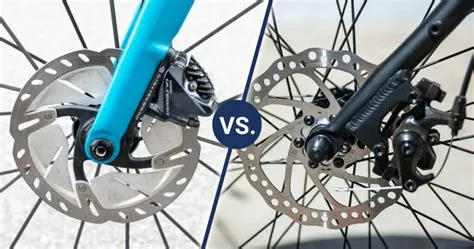
bikesport.biz.id – Hey there, fellow riders! If you’re looking to upgrade your commuter bike’s stopping power, you’ve probably stumbled across a couple of terms: hydraulic disc brakes and mechanical disc brakes. It can get a bit confusing, right? We’re going to break down exactly what makes them tick, what’s awesome about each, and which one might be your perfect match for those daily commutes.
Think back to the Roman Empire. Those clever folks were masters of hydraulics, using water for everything from public water supplies and aqueducts to powering mills and even mining. That’s the same basic principle we’re talking about with hydraulic brakes today – using a fluid to transfer force.
What Exactly Are Disc Brakes?
Before we dive into the hydraulic versus mechanical debate, let’s quickly touch on what disc brakes are in the first place. Unlike older rim brakes that squeeze the wheel’s rim, disc brakes use a rotor (a metal disc) attached to your bike’s hub. A caliper, mounted on the frame or fork, houses brake pads that clamp down on this rotor to slow you down. This design offers way better stopping power and performance, especially in wet or muddy conditions.
Mechanical Disc Brakes: The Simple & Sturdy Option
Let’s start with the simpler of the two: mechanical disc brakes. These work much like your classic cable-actuated brakes. You pull a lever on your handlebars, and that pulls a steel cable. This cable is connected to a mechanism in the brake caliper that pushes the brake pads against the rotor.
The beauty of mechanical disc brakes lies in their simplicity and ease of maintenance. They’re generally less expensive to buy and install, and if something goes wrong, it’s usually pretty straightforward to fix. You can often do basic adjustments or cable replacements yourself with minimal tools.
For commuters, this means they’re often a reliable choice. They offer a significant upgrade over rim brakes, giving you more confidence on slippery roads or when you need to stop in a hurry. Plus, if you’re on a tighter budget, mechanical discs are a fantastic way to get disc brake performance without breaking the bank.
Hydraulic Disc Brakes: The Smooth & Powerful Performer
Now, let’s talk about hydraulics. Remember those Roman aqueducts? Hydraulic systems use a fluid (usually mineral oil or brake fluid) instead of a cable to transfer the force from your brake lever to the caliper. When you squeeze the lever, it pushes this fluid through a hose to the caliper.
This fluid pressure then activates pistons within the caliper, which force the brake pads against the rotor. The result? A much more powerful and consistent braking force. It feels smoother and more controlled, allowing for finer modulation – meaning you can apply just the right amount of stopping power without locking up your wheels.
Hydraulic systems are known for their superior stopping power and better heat dissipation. This means they can handle longer descents or more demanding braking situations without overheating and losing performance. For many riders, the feel and responsiveness of hydraulic brakes are a game-changer.
Hydraulic vs. Mechanical: The Key Differences
So, what are the main differences you’ll notice when you’re out riding? Well, the feel is probably the biggest one. Mechanical brakes can sometimes feel a bit ‘spongy’ or require more force at the lever to get the same stopping power as hydraulics. Mechanical cables also stretch over time, meaning you might need to adjust them more frequently to maintain optimal performance.
Hydraulic brakes, on the other hand, offer a more direct and crisp feel. They require less hand effort to achieve strong braking. Because they use a sealed fluid system, they’re less susceptible to environmental contaminants like dirt and water, which can degrade the performance of mechanical cables over time. This sealed system also means they generally require less frequent adjustment.
Stopping Power and Modulation
When it comes to sheer stopping power, hydraulic disc brakes typically win. The fluid system allows for greater force to be applied to the pads, giving you more stopping grunt. But it’s not just about raw power; it’s also about control. Hydraulic systems offer excellent modulation, meaning you can precisely control how much braking force you apply. This is super helpful for navigating tricky city traffic or maintaining stability on slippery surfaces.
Mechanical discs still offer a significant improvement over rim brakes, but they might require a firmer squeeze and can be a little less refined in their modulation. You might find it slightly harder to make those super-fine adjustments to your speed.
Maintenance and Reliability
This is where mechanical brakes often shine for the DIY-minded commuter. They’re generally easier to work on. If a cable snaps or gets frayed, it’s a relatively simple replacement. Basic adjustments for pad wear or cable tension are usually quick and easy to do with just a couple of Allen keys.
Hydraulic brakes, while often requiring less frequent maintenance, can be more complex to service when they do need attention. Bleeding the system (replacing the fluid) requires special tools and a bit more know-how. If you’re not comfortable with bike mechanics, you might find yourself relying more on your local bike shop for hydraulic brake service.
However, for day-to-day reliability in harsh weather, hydraulic systems can be more robust. The sealed nature means less chance of grit and grime getting in to cause problems with the braking mechanism itself.
Cost
When it comes to price, mechanical disc brakes are almost always the more budget-friendly option. The components themselves are less expensive, and the installation is typically simpler, which can also translate to lower labor costs if you’re having them fitted by a shop. This makes them a really accessible upgrade for many commuters.
Hydraulic disc brakes are generally more expensive upfront. The technology involved, the quality of the components, and the specialized nature of their maintenance all contribute to a higher price point. However, many riders feel the improved performance and feel are well worth the investment over the long term.
Which is Right for Your Commuter Bike?
So, after all that, which one should you choose? It really depends on your priorities, your budget, and your comfort level with bike maintenance.
If you’re on a tight budget, want something straightforward that’s easy to fix yourself, and are upgrading from rim brakes, mechanical disc brakes are an excellent choice. They offer a significant boost in performance and reliability for everyday commuting, especially in mixed weather conditions. You’ll still have better stopping power than you’re used to!
If you’re looking for the best possible stopping power, smooth and consistent braking feel, and are willing to invest a bit more for superior performance and less frequent, though potentially more involved, maintenance, then hydraulic disc brakes are likely your best bet. They offer a truly premium braking experience that can make your commute feel safer and more enjoyable, especially if you ride in challenging conditions or carry heavy loads.
Ultimately, both systems will get you safely stopped. It’s just a matter of finding the balance of performance, cost, and maintenance that fits your riding style and needs best. Happy riding!