bikesport.biz.id – So, you’re looking to level up your cycling game, even if your living space is a bit… cozy? That’s totally understandable! Finding the best smart bike trainers for small apartments can feel like a puzzle, but don’t worry, we’re here to help. We know you want that immersive cycling experience without sacrificing your precious floor space. It’s all about finding a trainer that’s compact, powerful, and easy to store. Think of it as your personal indoor cycling studio that can disappear when not in use!
Why Smart Trainers are Great for Apartment Dwellers
Smart trainers have revolutionized indoor cycling, and they’re particularly awesome for folks in smaller digs. They connect to apps like Zwift, TrainerRoad, and Peloton, letting you ride virtual worlds or follow structured workouts. Plus, they provide realistic resistance that adjusts automatically, making your ride feel like you’re actually out on the road or tackling a tough climb. It’s way more engaging than just staring at a wall!
The biggest win for apartment living is often the ‘foldability’ or ‘compact’ nature of many smart trainers. After your killer workout, you can often fold them up and slide them under a bed, tuck them into a closet, or lean them against a wall. This makes them super practical and prevents your apartment from feeling like a permanent gym.
Key Features to Consider for Small Spaces
When you’re hunting for the best smart bike trainers for small apartments, a few things should be at the top of your list. First off, think about the footprint when it’s set up and, crucially, when it’s stored away. Some trainers are much bulkier than others, even when folded.
Another biggie is noise. If you’ve got neighbors below or right next door, a super loud trainer can cause some awkward situations. Look for models that are known for being relatively quiet. Also, consider how easy it is to set up and take down. You don’t want to wrestle with heavy equipment every time you want to ride or put it away.
Direct Drive vs. Wheel-On Trainers
This is a pretty important distinction! Direct drive trainers are generally considered the top-tier option. You remove your rear wheel and attach your bike directly to the trainer’s cassette. This usually means a more accurate power reading, a quieter ride, and less wear and tear on your bike’s drivetrain.
Wheel-on trainers are often more budget-friendly and simpler to set up. Your rear tire rests on a roller that provides resistance. The main downsides are that they can be noisier, potentially less accurate, and can wear down your tire faster. For small apartments, the direct drive often wins due to its quieter operation and better integration, even if it has a slightly larger initial setup.
Top Smart Trainers for Apartment Living
Let’s dive into some specific recommendations. We’ve picked out a few trainers that really shine when space is a concern, balancing performance with practicality. Remember, the ‘best’ one for you will depend on your budget and specific needs.
Tacx Flux S Smart Trainer
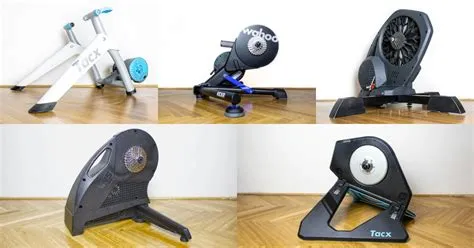
The Tacx Flux S is a solid contender and often praised for its value. It’s a direct-drive trainer that offers a good balance of realism and stability. While it’s not the absolute smallest on the market, it’s reasonably compact and can be stored relatively easily.
It provides a smooth and quiet ride, which is a huge plus for apartment dwellers. The resistance can go up to 1500 watts, which is plenty for most amateur cyclists, and it accurately simulates gradients up to 10%. Setup is fairly straightforward, and it’s compatible with most popular training apps, making it a versatile choice.
Wahoo KICKR SNAP
The Wahoo KICKR SNAP is a popular wheel-on trainer known for its impressive performance and connectivity. While it’s a wheel-on unit, it’s built with durability and a realistic feel in mind. It’s a bit chunkier when set up but often folds flatter than some direct-drive options for storage.
It boasts a max resistance of 1500 watts and can simulate gradients up to 12%. The KICKR SNAP is also recognized for being relatively quiet for a wheel-on trainer. Its robust build means it can handle intense workouts without feeling flimsy. It’s a fantastic entry point into the Wahoo ecosystem and smart training.
Saris H3 Direct Drive Smart Trainer
If you’re looking for a premium experience with excellent build quality and a relatively compact design for a direct-drive, the Saris H3 is worth a look. It’s known for being exceptionally quiet and incredibly stable.
The H3 offers a generous 2000 watts of resistance and can simulate an impressive 20% gradient. Its accuracy is top-notch, making it ideal for serious cyclists who want precise training data. While it might be a higher investment, its quiet operation, reliability, and ease of storage (it has a decent folding mechanism) make it a compelling option for apartment life.
Kinetic Road Machine Smart 2
For a more budget-conscious option that still offers smart capabilities, the Kinetic Road Machine Smart 2 is a good choice. It’s a smart fluid trainer that offers a controlled resistance feel. It’s designed to be relatively simple and easy to store.
While it doesn’t have the extreme resistance or gradient simulation of some of the higher-end models, it’s more than capable for general fitness and base training. The fluid resistance provides a natural feel, and it connects to apps to control resistance. Its compact design when not in use is a significant advantage for smaller spaces.
Making Your Trainer Apartment-Friendly
Beyond just choosing a compact trainer, there are other tricks to make your indoor cycling setup work seamlessly in a small apartment. Consider investing in a good mat to go underneath your trainer. This not only protects your floor from sweat and tire marks but also significantly dampens vibrations and noise.
Cable management is another small detail that can make a big difference. Using Velcro ties or cable clips can keep all the cords tidy and prevent tripping hazards, making your workout area look cleaner and feel safer. Think about where you’ll store your trainer when it’s not in use and plan your space accordingly.
Connectivity and Apps: The Smart Part
The ‘smart’ in smart trainers is all about connectivity. Most trainers use ANT+ or Bluetooth to connect to your phone, tablet, or computer. This connection allows them to communicate with cycling apps.
These apps are what bring the experience to life! You can ride in stunning virtual environments, race against others, or follow guided workouts. The trainer then automatically adjusts the resistance to match the virtual terrain or the prescribed effort in the workout. This makes your indoor sessions incredibly engaging and effective, turning a small space into a global cycling adventure.
Maintenance and Storage Tips
Proper maintenance will ensure your trainer lasts and continues to perform well. After each workout, give it a quick wipe-down to remove sweat, which can corrode parts over time. Keep an eye on your tire pressure if you’re using a wheel-on trainer, as this affects resistance and accuracy. For direct-drive trainers, ensure the cassette is clean and properly lubricated.
When it comes to storage, be creative! Look for vertical storage solutions or spaces like under the bed or in a slim closet. Some trainers come with specific storage bags or cases that help protect them and make them easier to tuck away. The goal is to make it as unobtrusive as possible when it’s not actively being used.
FAQ: Your Apartment Trainer Questions Answered
Let’s tackle some common questions you might have about setting up and using a smart bike trainer in a smaller living space.
Is a smart trainer noisy in an apartment?
This really depends on the type of trainer and the specific model. Direct drive trainers are generally much quieter than wheel-on trainers. Brands often highlight the noise levels of their trainers, so look for those specifically advertised as quiet or having low decibel ratings. Using a trainer mat also helps significantly.
How much space does a smart trainer take up?
When set up, most trainers have a footprint similar to a small exercise bike. However, many are designed to fold down to a much smaller profile. Some can be stored vertically, while others are slim enough to slide under furniture. Always check the ‘stored dimensions’ when comparing models.
Do I need a special bike for a smart trainer?
No, you don’t need a special bike. Most smart trainers are compatible with standard road bikes and mountain bikes. You might need to swap out your rear cassette on a direct-drive trainer to match what’s on your bike, and ensure your tire is suitable for a wheel-on trainer if you go that route.
Can I use a smart trainer on carpet?
Yes, you can use a smart trainer on carpet, but it’s highly recommended to use a dedicated trainer mat. The mat protects the carpet from sweat and tire wear and helps to absorb vibrations and noise, which is especially important in apartments.
What are the best apps to use with a smart trainer?
Popular and highly-rated apps include Zwift, TrainerRoad, Wahoo SYSTM (formerly Sufferfest), Rouvy, and Peloton (if you have a Peloton bike, otherwise its app for non-Peloton bikes). Each offers a different experience, from virtual worlds to structured training plans.
Choosing the best smart bike trainers for small apartments is definitely achievable with the right information. By focusing on compact designs, quiet operation, and ease of storage, you can bring the thrill of cycling indoors without overwhelming your living space. Happy riding!