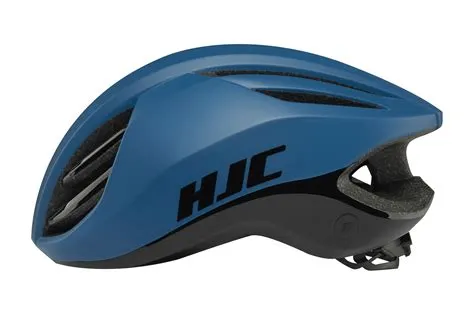
bikesport.biz.id – Hey there, fellow cyclists! Ever felt like your helmet was a lead weight after a few hours in the saddle? Yeah, me too. When you’re out for those epic long road cycling sessions, every bit of comfort counts. And believe it or not, your helmet plays a HUGE role in that. Today, we’re diving deep into finding the best lightweight helmets that’ll keep your head safe and your neck happy, mile after glorious mile.
We’re not just talking about slapping on any old lid. For extended rides, the weight, ventilation, and overall fit of your helmet become super important. A heavy helmet can lead to neck fatigue, while poor ventilation can make you feel like you’re cooking your brain. So, let’s find you a helmet that feels like it’s barely there, but offers top-notch protection.
Why Lightweight Matters for Long Rides
Think about it: you’re constantly moving your head, looking up the road, checking for traffic, or admiring the scenery. If your helmet is heavy, that constant subtle effort adds up. Over several hours, this can lead to a sore neck and shoulders, which is the last thing you want when you’re trying to enjoy your ride. Lightweight helmets significantly reduce this strain, allowing you to focus on your pedaling and the journey itself.
Beyond just comfort, a lighter helmet can also contribute to better overall aerodynamics, although this is a secondary benefit for most recreational riders. The primary advantage is undeniably the reduction in physical fatigue, making those long distances feel more achievable and enjoyable. It’s about making your cycling experience as smooth and comfortable as possible.
Key Features to Look For in a Lightweight Road Cycling Helmet
So, what should you be looking for when you’re shopping for these super-light brain buckets? Several key features can make or break your comfort and safety on a long ride. Don’t just grab the first one you see; let’s break down what truly matters.
First off, **weight** is obviously paramount. Manufacturers usually list the weight of their helmets. Aim for helmets that are under 250 grams, ideally even lighter if you can find them without sacrificing safety. Every gram saved here makes a difference over a long distance.
Ventilation: Keeping Your Cool
Long rides often mean sustained effort, and sustained effort means you’re going to sweat. Excellent ventilation is crucial to keep your head cool and prevent overheating. Look for helmets with large vents and well-designed internal channeling that allows air to flow freely over your scalp. Good airflow prevents that sticky, sweaty feeling and helps regulate your body temperature, which is vital for performance and comfort.
Think of it like this: your helmet is part of your body’s cooling system. If it’s blocking air, your whole system suffers. Helmets designed for racing often prioritize ventilation, so they’re a great place to start your search. Wider vents and more of them generally mean better cooling.
Fit and Retention System
Even the lightest helmet won’t do you any good if it doesn’t fit properly. A secure and comfortable fit is non-negotiable. Look for helmets with adjustable retention systems – the dial at the back that tightens the helmet around your head. This system should be easy to adjust on the fly and provide a snug, but not too tight, fit. A wobbly helmet is not only uncomfortable but also less effective in a crash.
The padding inside the helmet also plays a big part in comfort. Look for soft, moisture-wicking pads that can be easily removed for washing. A good fit means the helmet stays put, doesn’t create pressure points, and feels like a natural extension of your head. Take your time trying them on; it’s worth it!
Aerodynamics vs. Ventilation
This is an interesting balance. While aero helmets often have fewer, smaller vents to maintain their smooth profile, modern lightweight helmets are doing a fantastic job of integrating both. For most long-distance recreational riders, superior ventilation is usually more beneficial than marginal aerodynamic gains. You want to stay cool and comfortable, and a helmet that breathes well will help you do just that.
However, if you’re a performance-oriented rider who tackles long solo efforts or time trials, you might find yourself balancing these two. The good news is that many manufacturers are creating helmets that offer a great blend of both, so you don’t necessarily have to compromise entirely. It’s all about finding what works best for your riding style and conditions.
Top Lightweight Helmet Picks for Long Hauls
Alright, let’s get to the good stuff! While specific models change year to year, here are some brands and types of helmets that consistently deliver on lightweight comfort for long road cycling sessions. I’ve personally found that brands known for their racing heritage often excel here.
Brand Spotlight: Brands Known for Lightweight Excellence
Companies like Specialized, Bontrager, Giro, Kask, and Smith are consistently putting out helmets that are both incredibly light and highly functional. They invest heavily in research and development to create advanced composites and aerodynamic designs that also prioritize ventilation and comfort. Keep an eye on their latest offerings in their performance or endurance road categories.
These brands often have different tiers of helmets, so you can usually find a lightweight option at various price points. Don’t be afraid to check out reviews specifically mentioning long-distance comfort from these reputable manufacturers.
Safety Standards: Don’t Compromise!
No matter how light and comfortable a helmet is, it’s absolutely useless if it doesn’t meet safety standards. Always ensure the helmet you choose is certified by relevant safety organizations like CPSC (in the US), CE EN 1078 (in Europe), or AS/NZS 2063 (in Australia/New Zealand). Most reputable helmets will prominently display these certifications.
Lightweight materials don’t mean less protection. Modern helmet technology utilizes advanced EPS foam and in-mold construction to create shells that are both incredibly light and exceptionally strong. So, you can have your cake and eat it too – a helmet that’s light, comfortable, and safe.
Maintaining Your Helmet for Longevity
Once you’ve found your perfect lightweight companion, it’s essential to take care of it. Proper maintenance ensures it stays in good condition and provides reliable protection for years to come. Cleaning your helmet regularly is a simple but important step.
Use mild soap and water to clean the shell and pads. Avoid harsh chemicals or solvents, as they can degrade the helmet’s materials. Store your helmet in a cool, dry place away from direct sunlight, which can also damage the plastics. And, of course, never ride with a helmet that has been involved in a crash, even if it looks okay – internal damage might not be visible but can compromise its protective capabilities.
Making the Choice: Your Comfort is Key
Choosing the best lightweight helmet for your long road cycling sessions is a personal journey. What works for one rider might not be perfect for another, as head shapes and preferences vary. The most important thing is to prioritize a helmet that feels comfortable, fits securely, offers excellent ventilation, and meets all safety standards.
Don’t rush the process. Try on as many helmets as you can, ideally at a local bike shop where you can get expert advice. Consider your budget, but remember that your head is worth the investment. A great lightweight helmet can transform your long rides from a potential ordeal into pure enjoyment. So go ahead, hit the road, and enjoy the ride without that extra weight!
FAQ: Your Questions Answered
Q: How much should a good lightweight road cycling helmet weigh?
A: For long road cycling sessions, aim for helmets under 250 grams. Many high-performance lightweight helmets can be found even lighter, often in the 180-220 gram range.
Q: Does a lightweight helmet offer less protection?
A: Not necessarily. Modern helmet technology uses advanced materials and construction methods to ensure lightweight helmets meet or exceed all safety standards. The focus is on efficient material use rather than just bulk.
Q: What does ‘in-mold’ construction mean for a helmet?
A: In-mold construction fuses the helmet’s outer shell with the impact-absorbing EPS foam liner during the manufacturing process. This creates a stronger, lighter helmet with a cleaner finish compared to older methods.
Q: How important is ventilation for long rides?
A: Very important! Good ventilation helps regulate your body temperature, prevents overheating, and reduces sweat buildup, all of which contribute significantly to comfort on long cycling sessions.
Q: Can I use a mountain bike helmet for road cycling?
A: While mountain bike helmets offer good protection, they are often heavier and have less ventilation than road-specific helmets. Road helmets are generally designed for the sustained speeds and airflow of road cycling, making them a better choice for long road sessions.