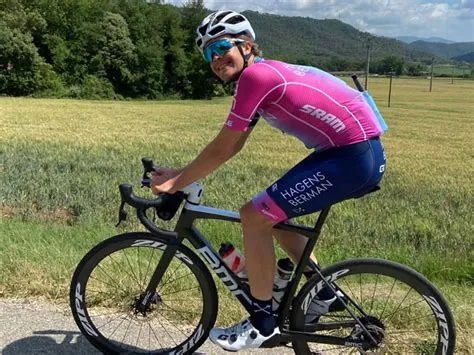
bikesport.biz.id – Hey there, cycling enthusiasts! Ever watch those pro cyclists glide by, looking like they’re barely breaking a sweat, and wonder what their secret is? It’s not just raw talent or endless training hours, although those are huge factors. A big part of their edge comes from gear and techniques that beginners often overlook or don’t even know exist. Let’s dive into some of these game-changing secrets that can seriously boost your speed, comfort, and overall enjoyment on the bike.
The Power of Proper Bike Fit
One of the most crucial, yet often neglected, aspects of cycling is a professional bike fit. This isn’t just about making your bike look cool; it’s about optimizing your body’s connection to the machine. A good bike fit ensures your position is efficient, powerful, and, most importantly, comfortable, preventing injuries and allowing you to ride longer.
When you get a professional bike fit, a trained expert will analyze your body mechanics, flexibility, and riding style. They’ll make precise adjustments to your saddle height and position, handlebar reach, and even cleat placement on your shoes. This level of fine-tuning is something most beginners simply don’t consider, often just hopping on a bike that’s roughly their size.
Tire Pressure: More Than Just Air
You might think all tires are created equal, and that adding air is just a simple task. However, pro cyclists are meticulously dialed in on their tire pressure. It’s a delicate balance between rolling resistance, grip, and comfort, and it varies depending on the road surface, weather conditions, and rider weight.
Beginners often inflate their tires to the maximum pressure listed on the sidewall, believing harder is always better. Pros, however, experiment with lower pressures for better traction and a smoother ride, especially on rougher roads. This might seem counterintuitive, but less pressure can actually lead to less energy wasted on bumpy surfaces.
Aerodynamics: The Invisible Force Multiplier
Aerodynamics plays a massive role in cycling speed, and pros exploit this to its fullest. This involves everything from their riding posture to the specific equipment they choose. It’s about cutting through the wind as efficiently as possible.
For beginners, aerodynamics might seem like a concern only for racers. However, even small improvements can make a big difference on longer rides or when facing headwinds. This could involve subtle adjustments to how you hold your handlebars or even the type of helmet you wear.
The Right Gearing for Every Situation
Understanding and utilizing your bike’s gearing is fundamental. Pros have a deep knowledge of their gear ratios and how to shift effectively to maintain an optimal cadence. This allows them to tackle climbs and maintain speed on flats with minimal effort.
Many beginners stick to a few familiar gears, often struggling on hills or spinning out on descents. Learning to shift smoothly and anticipate changes in terrain can drastically improve your efficiency and endurance. It’s about finding that sweet spot where your legs feel strong and you’re not grinding or spinning too fast.
Nutrition and Hydration Strategies
While not strictly ‘gear,’ what pros consume before, during, and after a ride is a highly strategic element that beginners often underestimate. Proper fueling is essential for sustained energy and recovery.
Pros don’t just grab a banana; they have carefully planned nutrition plans. This includes pre-ride meals, mid-ride snacks like energy gels and bars, and post-ride recovery drinks. Understanding your body’s energy needs and how to replenish them is key to performing at your best.
Cycling Apparel: Beyond Just Looking Good
Cycling apparel is designed with specific functions in mind, going far beyond aesthetics. The materials, fit, and features are all engineered to enhance performance and comfort.
The padded chamois in cycling shorts, for instance, is crucial for comfort on long rides, preventing chafing and reducing pressure. Similarly, breathable jerseys and aerodynamic skinsuits help manage body temperature and reduce wind resistance. Beginners might opt for regular athletic wear, missing out on these performance benefits.
The Importance of Cleats and Cycling Shoes
Clipping into your pedals with cycling shoes and cleats might seem intimidating at first, but it’s a game-changer. It allows for a more powerful and efficient pedal stroke, engaging your hamstrings and glutes more effectively.
When you’re clipped in, you can pull up on the pedals as well as push down, creating a continuous, circular motion. This significantly increases power output and reduces wasted energy. Beginners often stick to flat pedals, which limit this efficiency and can lead to foot fatigue.
Maintenance and Tools: The Unsung Heroes
Pros treat their bikes like the finely tuned machines they are, ensuring they’re always in perfect working order. Regular maintenance prevents breakdowns and keeps everything running smoothly.
While you don’t need a pro mechanic’s toolkit, having a basic understanding of bike maintenance and carrying essential tools like a multi-tool, tire levers, and a spare tube can save you from being stranded. Simple tasks like keeping your chain clean and lubricated make a huge difference.
Advanced Training Techniques
Beyond just riding miles, pros employ specific training techniques designed to push their limits and target weaknesses. This includes interval training, strength conditioning, and active recovery.
For beginners, focusing on consistency and building a solid aerobic base is important. However, incorporating structured workouts, even short ones, can accelerate progress. Understanding concepts like heart rate zones and power meters, while advanced, can provide valuable insights into your training.
Riding with Purpose: Cadence and Pacing
Pros have an innate sense of pacing and a consistent cadence. They don’t just pedal aimlessly; they control their effort to last the duration of the ride or race.
Learning to maintain a consistent pedaling cadence (typically between 80-100 RPM) is far more efficient than mashing a big gear. This saves your legs and allows you to ride longer and faster. Beginners often pedal in a lower cadence, which can lead to fatigue and less efficient power transfer.
The Psychological Edge
Finally, there’s the mental game. Pros are masters of pushing through discomfort, staying focused, and maintaining a positive mindset, even when things get tough.
This psychological resilience is built through experience and conscious effort. For beginners, developing mental toughness can be as simple as setting small goals, celebrating achievements, and learning to reframe challenges as opportunities for growth.
So, there you have it! While you might not need to invest in a full aero helmet and deep-section wheels overnight, understanding these pro-level insights can truly transform your cycling experience. Start by focusing on one or two areas, like bike fit or tire pressure, and gradually incorporate more. Happy riding!
Frequently Asked Questions (FAQ)
- What is the single most important thing a beginner cyclist should focus on?
- The most important thing for a beginner cyclist to focus on is a proper bike fit. It ensures comfort, prevents injuries, and makes riding more enjoyable and efficient from the start.
- How do I know the correct tire pressure for my bike?
- Correct tire pressure depends on your weight, tire size, and riding conditions. Look for a recommended pressure range on your tire’s sidewall and experiment within that range. A good starting point is usually around 80-100 PSI for road bikes, but lower pressures can be better for comfort and grip on rougher surfaces.
- Is it worth investing in cycling-specific shoes and pedals?
- Absolutely! Cycling shoes and pedals (cleats) allow for a more powerful and efficient pedal stroke by enabling you to pull up as well as push down. This transfers more energy to the pedals and can significantly improve your speed and endurance.
- How often should I perform basic bike maintenance?
- For basic maintenance, it’s good to check your tire pressure before every ride, clean and lube your chain regularly (every 100-200 miles or after riding in wet conditions), and inspect your brakes and gears periodically. More in-depth maintenance can be done less frequently or by a professional bike shop.
- What is cadence in cycling?
- Cadence refers to the speed at which you pedal, measured in revolutions per minute (RPM). Pros typically aim for a higher cadence (80-100 RPM) for efficiency, whereas beginners might often pedal in a lower cadence with more force.