bikesport.biz.id – Hey there, fellow cyclists! So, you’re probably wondering about the best gadget to strap onto your wrist or handlebars to track your rides. It’s a common question, and honestly, there’s no single right answer because it totally depends on what you’re looking for. We’re going to dive deep into the world of fitness trackers and bike computers to help you figure out which one is your perfect cycling buddy. Think of this as your ultimate guide to making the right tech choice for your two-wheeled adventures.
You might have seen fitness trackers everywhere, on wrists of people at the gym, running errands, or even on the trails. They’re super popular and for good reason! They offer a pretty comprehensive look at your daily activity and overall health. But when it comes to cycling, are they really cutting it? Let’s break it down.
What Exactly is a Fitness Tracker?
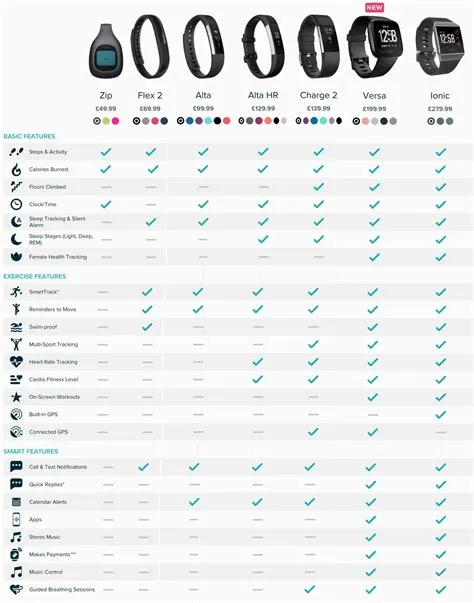
At its core, a fitness tracker is a wearable device designed to monitor and record your physical activity throughout the day. They usually track things like steps taken, calories burned, heart rate, and sleep patterns. Many also have basic GPS capabilities, allowing them to record the distance and route of your workouts. It’s like having a little health coach on your wrist, constantly nudging you to be more active.
The beauty of fitness trackers is their versatility. You can wear them 24/7, getting a holistic view of your well-being, not just when you’re on your bike. They often come with sleek designs and a wide range of features that extend beyond just exercise tracking, like notifications and sometimes even contactless payment options.
Fitness Trackers for Cycling: The Good Stuff
When you take a fitness tracker out for a spin on your bike, there are definitely some benefits. If you’re a casual cyclist who also enjoys other activities, a fitness tracker can seamlessly integrate all your exercise data into one place. It’s great for understanding your overall calorie expenditure and monitoring your heart rate zones during your ride, which is super important for training.
Many modern fitness trackers offer specific cycling modes. These modes can automatically detect when you start cycling and record metrics like duration, distance, and average speed. The heart rate data is often very accurate, giving you valuable insights into your cardiovascular effort. Plus, if you’re also a runner or swimmer, having one device to track everything is incredibly convenient. You don’t need to juggle multiple gadgets!
The Limitations of Fitness Trackers on the Bike
However, here’s where fitness trackers might start to fall short for serious cyclists. While many have GPS, it might not be as precise as dedicated units, especially in areas with poor signal or dense tree cover. This can lead to slightly inaccurate distance and speed readings, which can be frustrating if you rely on precise data for training logs or performance analysis.
Another big one is the screen. Fitness tracker screens are generally small and not designed for quick glances while you’re navigating traffic or technical terrain. It can be difficult to see your speed, elevation, or other crucial metrics at a glance, forcing you to stop or take your eyes off the road for too long. Safety first, right?
Enter the Bike Computer: Built for the Ride
Now, let’s talk about bike computers. These devices are built from the ground up specifically for cycling. They are designed to be mounted on your handlebars, making them easily visible and accessible during your ride. Think of them as your dedicated cycling cockpit companion.
Bike computers are all about providing you with the ride data you need, when you need it. They typically boast larger, brighter screens that are easy to read in direct sunlight. Many offer customizable data fields, allowing you to prioritize the metrics that matter most to you, whether that’s speed, cadence, power output, or gradient.
The Powerhouse Features of Bike Computers
Dedicated bike computers often come with advanced GPS capabilities that are far more robust and accurate than what you’ll find on most fitness trackers. This means more reliable distance, speed, and route tracking, even in challenging environments. They are also designed to integrate seamlessly with other cycling sensors like speed and cadence sensors, and crucially, power meters.
For performance-oriented cyclists, the ability to connect with a power meter is a game-changer. Power meters measure the actual force you’re applying to the pedals, giving you the most accurate picture of your effort. Bike computers are essential for displaying and recording this data, which is invaluable for structured training and understanding your performance limits. Many also offer advanced navigation features, allowing you to upload routes and receive turn-by-turn directions right on your device.
What Bike Computers Might Lack (Compared to Trackers)
On the flip side, a dedicated bike computer isn’t something you’ll likely wear around the clock. While it tracks your cycling prowess brilliantly, it won’t necessarily give you a comprehensive overview of your non-cycling activities, like your daily step count or sleep quality. They are laser-focused on the ride itself.
Also, while high-end bike computers can be packed with features, some simpler models might not offer the same smartwatch functionalities that a fitness tracker does. You might not get app notifications, music control, or other smart features unless you opt for a more advanced and often pricier model. It’s a trade-off between specialized cycling function and general smart device convenience.
Fitness Tracker vs. Bike Computer: Direct Comparison
So, let’s put them head-to-head. If your cycling is more about fitness and general well-being, and you want to track everything you do in one go, a fitness tracker might be your best bet. It’s simpler, more versatile for daily life, and can still give you good insights into your heart rate and basic ride metrics.
However, if you’re serious about cycling, whether for performance, endurance, or just getting the most out of every ride, a dedicated bike computer is almost certainly the way to go. The accuracy, screen visibility, integration with sensors, and specialized cycling features are hard to beat. You get data that’s relevant and reliable for the demands of cycling.
Who Should Choose a Fitness Tracker?
You should lean towards a fitness tracker if you’re a recreational cyclist who enjoys a variety of activities. Maybe you go for weekend bike rides, hit the gym a few times a week, and want to keep an eye on your overall health and daily movement. A tracker provides a good, all-around view without being overly complicated. It’s also a great option if you prefer a single device for everything and don’t want to manage separate gadgets for different sports.
If you’re just starting out and want to dip your toes into tracking your rides without a huge investment, a fitness tracker with GPS is a solid entry point. It will give you a basic understanding of your ride stats and help you build consistency in your cycling habits. Plus, they often look pretty stylish as an everyday watch too!
Who Needs a Bike Computer?
On the other hand, if you’re training for a race, aiming to improve your personal bests, or simply love digging into detailed ride analytics, a bike computer is a must-have. Cyclists who use power meters, train with heart rate zones, or rely on precise navigation will find a bike computer indispensable. It provides the granular data needed for serious training and performance improvement.
Consider a bike computer if you spend a lot of time on the bike, ride in varied conditions, and need a device that’s built to withstand the elements and provide clear, immediate feedback. The ability to customize data screens and integrate with a host of sensors makes it the ultimate tool for dedicated cyclists looking to get the most out of every pedal stroke.
Making Your Final Decision
Ultimately, the choice between a fitness tracker and a bike computer boils down to your personal cycling goals and how you use your bike. There’s no one-size-fits-all answer, and that’s okay! Both devices have their strengths and weaknesses. Think about what data is most important to you, how you plan to use the device, and what your budget looks like.
Don’t be afraid to read reviews, compare specific models, and even try to get your hands on one if possible. The best device is the one that fits seamlessly into your cycling life and helps you achieve your goals, whatever they may be. Happy riding, and happy tracking!
Frequently Asked Questions (FAQ)
Can a fitness tracker accurately track my cycling distance?
Many fitness trackers with GPS can track cycling distance, but their accuracy can vary compared to dedicated bike computers, especially in areas with poor satellite reception. For casual rides, it’s usually sufficient, but for precise metrics, a bike computer is often better.
Do I need a bike computer if I already have a smartwatch?
If you’re a serious cyclist who values detailed performance metrics, power meter integration, and better screen visibility while riding, then yes, a bike computer is highly recommended even if you have a smartwatch or fitness tracker. Smartwatches are great for general fitness but often lack the specialized features and robust GPS of a dedicated bike computer.
Can I use a fitness tracker and a bike computer together?
Absolutely! Many cyclists use both. You can use your bike computer for detailed ride data and then sync that data (or record it separately) with your fitness tracker or a broader health app for a comprehensive overview of your daily activity and health metrics. It offers the best of both worlds.
Which is better for heart rate monitoring during cycling?
Both fitness trackers and bike computers often have accurate heart rate monitors. However, bike computers are usually designed to be paired with chest strap heart rate monitors, which are generally considered the gold standard for accuracy during intense physical activity like cycling. Fitness trackers rely on wrist-based optical sensors, which can sometimes be less accurate during high-intensity cycling due to wrist movement.