bikesport.biz.id – Hey there, fellow cyclists! Ever feel like you’re drowning in data when you’re out on the road, or staring blankly at your trainer screen wondering if you’re actually improving? We’ve all been there. That’s where a good bike computer comes in, acting as your digital co-pilot. But with so many options out there, how do you pick the best bike computer for both your thrilling outdoor adventures and your focused indoor sessions? Let’s dive in and figure this out!
What Exactly is a Bike Computer, Anyway?
Think of a bike computer as your bike’s dashboard, but way smarter. It’s a device that mounts to your handlebars and tracks all sorts of juicy information about your ride. We’re talking speed, distance, time, elevation, heart rate, power output, and so much more. It’s like having a personal coach and a data analyst rolled into one, right there in front of you.
Why You Need a Bike Computer for Outdoor Riding
When you’re out exploring new routes or tackling your favorite climbs, a bike computer is indispensable. It helps you track your progress, navigate unfamiliar terrain with GPS, and even measure your effort. Knowing your average speed or total elevation gained can be super motivating. Plus, for those who love to analyze their performance, it’s a goldmine of information to pore over later.
The Indoor Training Advantage
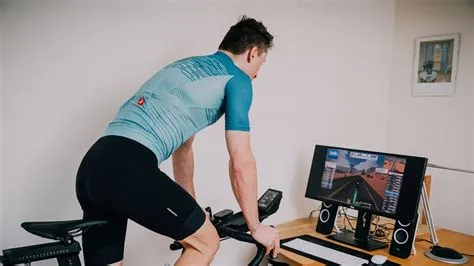
Indoor training has become a game-changer for cyclists, especially when the weather outside isn’t cooperating. But let’s be honest, staring at a wall can get boring fast. A bike computer, especially when paired with a smart trainer, transforms your indoor setup. It provides real-time feedback on your performance, allowing you to follow structured workouts and push your limits without the distractions of the outside world. This focused environment is perfect for targeted improvements.
Key Features to Look For: The Essentials
So, what makes a bike computer great for both worlds? First off, GPS is a must for outdoor navigation. You want accurate tracking of your routes, even in areas with spotty signal. For indoor training, look for compatibility with your smart trainer and power meters. ANT+ and Bluetooth connectivity are crucial here, allowing seamless data transfer. Also, a clear, easy-to-read screen is vital, whether you’re squinting in bright sun or glancing quickly during an intense interval.
Display and Interface: Readability is King
You don’t want to be fumbling with buttons or straining to see your stats when you’re in the middle of a tough climb or a sprint. A good bike computer will have a bright, high-contrast display that’s readable in all lighting conditions. The interface should be intuitive, allowing you to easily cycle through different data screens without taking your eyes off the road (or the virtual road!). Some devices even offer customization, letting you choose exactly which metrics you want to see.
Connectivity: Bridging the Indoor and Outdoor Worlds
This is where the magic happens for dual-purpose use. ANT+ and Bluetooth are your best friends. ANT+ is fantastic for connecting sensors like heart rate monitors, cadence sensors, and power meters reliably. Bluetooth is great for syncing with your smartphone for ride uploads and notifications. For indoor training, a bike computer that can directly control smart trainers or receive data from them is a huge plus. It makes setting up and executing workouts much simpler.
Battery Life: Don’t Get Caught Short
Nothing kills a long outdoor ride or an epic indoor session faster than a dead battery. For outdoor use, you’ll want a device that can last for your longest rides, easily handling 10-15 hours or more on a single charge. For indoor training, while you’re often plugged in or near a power source, good battery life still means you can easily transfer your data afterward without worrying about immediate charging.
GPS Capabilities: Navigating Your World
For outdoor enthusiasts, GPS is non-negotiable. It allows you to record your rides accurately, follow pre-planned routes, and explore new areas with confidence. Look for devices with multi-band GPS for even better accuracy, especially in canyons or dense forests. The ability to download routes and get turn-by-turn directions can be a lifesaver, ensuring you don’t get lost on your epic adventures.
Training Features: Beyond Basic Stats
If you’re serious about improving, you’ll want a bike computer that offers advanced training features. This can include things like power zone training, customizable workout builders, and performance analysis tools. For indoor training, compatibility with platforms like Zwift, TrainerRoad, or Rouvy is a massive bonus. These platforms often use the bike computer’s data to create immersive and challenging virtual riding experiences.
Smart Trainer Integration: The Indoor Game Changer
This is a big one for indoor training. If your bike computer can communicate directly with your smart trainer, it can control the resistance to match virtual hills or prescribed intervals. It also means your power, speed, and cadence data is likely to be more accurate. Look for devices that are known to work well with popular smart trainer protocols. This seamless integration makes indoor sessions far more engaging and effective.
Power Meter Compatibility: The Gold Standard of Data
For serious training, a power meter is almost essential, and your bike computer needs to be able to read that data accurately. Power is a direct measure of your effort, unlike heart rate which can be affected by many external factors. A good bike computer will not only display your power output but also allow you to analyze it in detail, looking at things like average power, normalized power, and intensity factor. This is crucial for structured training and performance gains.
Top Bike Computers for Dual Use: Our Picks
Alright, let’s talk about some of the heavy hitters. For a premium experience, the Garmin Edge series (like the 1040 or 840) offers fantastic GPS, robust training features, and excellent connectivity for both indoor and outdoor use. Wahoo’s ELEMNT Roam and BOLT are also super popular, known for their user-friendly interfaces and great smart trainer integration. If you’re on a tighter budget but still want solid performance, consider options from brands like Bryton or Hammerhead (Karoo). Always check recent reviews to see how they stack up with the latest software updates.
Garmin Edge Series: The All-Rounder
Garmin has long been a leader in the GPS device space, and their Edge series truly shines. Models like the Edge 1040 Solar offer unparalleled navigation, extensive training metrics, and a vibrant touchscreen. They connect effortlessly with a vast array of sensors and are fully compatible with most smart trainers and training platforms. Their battery life is legendary, making them perfect for those epic multi-day rides or countless indoor sessions.
Wahoo ELEMNT Series: Simplicity and Power
Wahoo has carved out a strong niche with their ELEMNT devices, like the Roam and the smaller BOLT. They’re celebrated for their straightforward setup, particularly their app-based configuration which simplifies things immensely. Their integration with smart trainers and popular cycling apps is top-notch, making the transition from outdoor to indoor training incredibly smooth. The screens are bright and easy to read, even in harsh conditions.
Making the Right Choice for Your Needs
Ultimately, the ‘best’ bike computer is subjective and depends on your specific needs and budget. If you do a lot of long-distance exploring, prioritize battery life and advanced mapping. If you’re a data-driven athlete focused on performance indoors and out, look for robust training metrics and power meter compatibility. Don’t be afraid to read reviews, watch comparison videos, and even ask other cyclists for their recommendations. Choosing the right device can seriously elevate your cycling game, whether you’re conquering mountains or crushing intervals on the turbo trainer!
FAQ Section
-
Do I need a separate bike computer for indoor training?
Not necessarily! Many modern bike computers are designed to handle both indoor and outdoor training seamlessly, especially if they offer good ANT+/Bluetooth connectivity and compatibility with smart trainers.
-
What’s more important: GPS or connectivity for indoor training?
It really depends on your primary use. For outdoor riding, GPS is paramount. For indoor training, robust connectivity to sensors and smart trainers is key. The best devices excel at both.
-
Can my smartphone replace a bike computer?
While smartphones can track basic ride data and offer navigation, they typically lack the specialized features, battery life, and handlebar mounting ergonomics of a dedicated bike computer. They also drain your phone’s battery quickly.
-
How important is a power meter with a bike computer?
For serious training and performance analysis, a power meter is highly recommended. It provides the most accurate measure of your effort, and your bike computer needs to be able to display and record this data effectively.
-
Are the most expensive bike computers always the best?
Not always! While high-end models offer more features, a mid-range device might be perfectly sufficient for your training needs. It’s more about finding the right features for you, rather than just the highest price tag.